
by Artemis
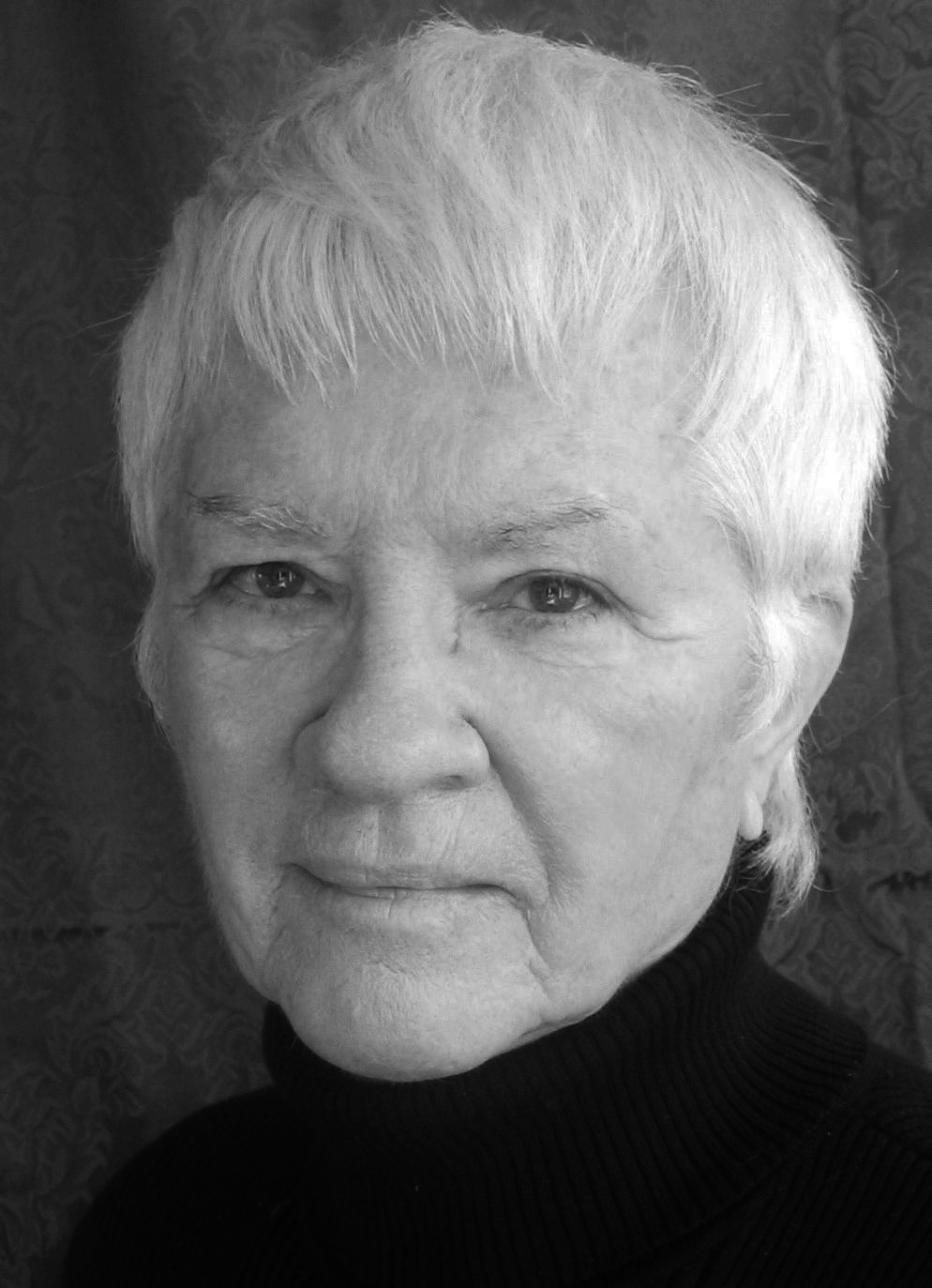
Sandra Harding
On March 6, feminist philosopher Sandra G. Harding died at age 89. Most feminists are affected by her work even if not aware of it. She coined the term “standpoint theory,” examining the influence of people’s position in the social hierarchy on their ability to know facts about the world. Those at the bottom, such as women, have insights about the social and natural worlds often overlooked by those at the top. She described the influence of worldwide social justice movements including feminism, the civil rights movement, and the independence and post-colonial movements on her work. She was committed to producing work that furthers these movements. Her six books and numerous articles explain how viewpoints of women and other marginalized people can make science more objective and contribute to epistemology, the study of knowledge. She was Distinguished Research Professor Emerita at the University of California, Los Angeles.
***
In February, research by Psychology Professor Harriet Over and her team at the University of York in England was published in the journal PLOS ONE. They surveyed 200 teachers across Britain, half teaching primary school and half secondary. Sixty percent of the primary school teachers and 76% of secondary were concerned with the effects of online misogyny on students. Misogyny is especially promoted by the “manosphere,” various groups and influencers expressing the belief that women are inferior to men and should be subordinate. Teachers reported increased discriminatory comments and inappropriate touching from boys towards girls. These included “It wouldn’t be rape if no one found out,” “Women are getting too big for their boots,” “Soon women won’t be allowed outside.” A primary school boy stated, “It’s ok to hurt women because Andrew Tate does it.” Tate is a far-right influencer and self-described pimp. One teacher said, “The majority of the girls in my class have been worried about coming to school due to what the boys may say or do to them.” This affected girls’ self-esteem and engagement in class. Boys are also affected by “manosphere” influencers’ promotion of disrespect towards authority figures including teachers and ridicule of education in favor of get-rich-quick schemes and criminal activity. Teachers expressed the need to reach children earlier with education helping them to “critically engage with misogynistic information they hear online or from their peers.” The researchers state, “Broader forms of social change, including changes to how social media companies operate, are also crucial.”
***
In March, Penal Reform International and Women Beyond Walls released the first global report of its kind examining the injustices causing rapidly increasing rates of incarceration of women. Globally, over 733,000 women are imprisoned. Since 2000, their numbers have grown by 57% compared with 22% for men. Causes include poverty, abuse, and laws criminalizing acts of survival. Women often resort to prostitution and selling drugs to provide for families or steal food for children. Colonial-era laws disproportionately affect women. These include laws against abortion, begging, suicide attempts, same-sex relations, and debt. Laws against witchcraft target women falling outside of society’s norms such as those who are unmarried, widowed, divorced, childless, poor, or elderly. Women’s clothing is increasingly restricted with more being arrested for supposed “indecency.” The rising far Right and its backlash against women’s rights could drive the worldwide number of incarcerated women to over a million. The report called for wider collection of data, alternatives to prison, community solutions, support services, and abolishing laws that violate international laws and human rights standards.