
by Artemis
On June 10, Colombia’s Senate passed Bill 440 of 2025, making it the first Latin American country approving nationwide legislation against female genital mutilation (FGM). FGM is practiced secretively among some of the Indigenous, remote Embera communities and some migrant populations. The law, known as “Ninas Sin Ablacion” (Girls Without Mutilation) only needs now the President’s signature. It gives the government 12 months to create a permanent, nationwide policy eradicating FGM. It focuses on public awareness, educational campaigns, healthcare training, and case tracking. Its non-punitive approach is designed to encourage families to seek medical treatment and avoid driving FGM further underground. This follows two decades of work from human rights organizations and politicians, but especially from Indigenous women activists. Sebastiana Pepe Batesa, a midwife and activist, initially received threats and insults from community members who believed FGM had always been part of their culture. After dialogue about FGM’s devastating medical and psychological effects, their attitudes changed. Representative Carolina Giraldo Botero stated, “I believe that, in 10 years, Colombia will be able to say: the Embera women stepped up. They fought for change.”
***
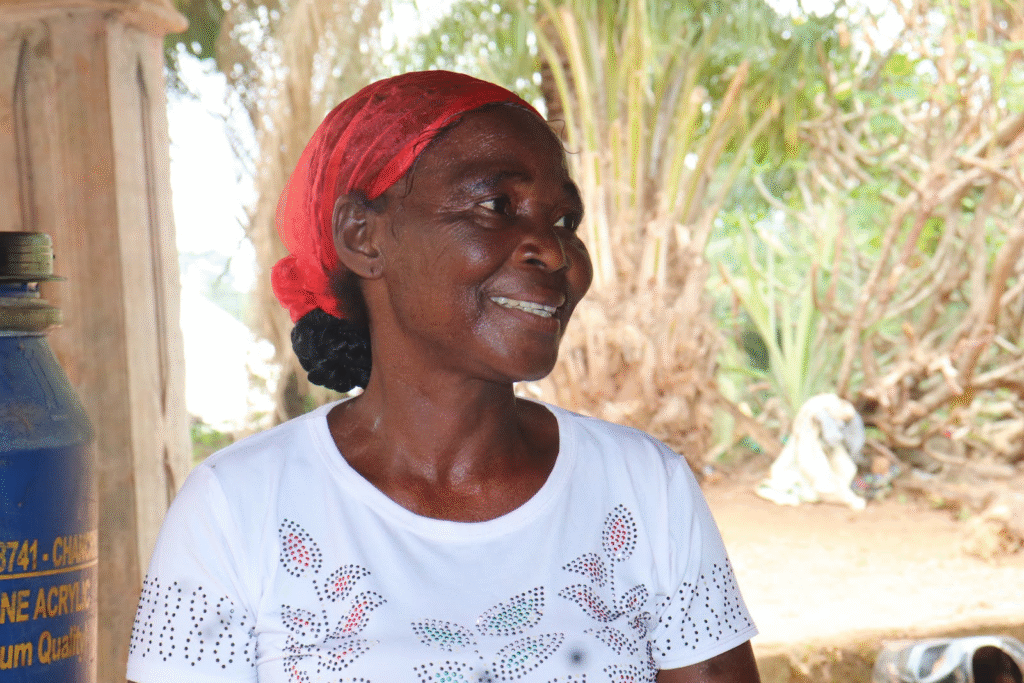
Mary Ofre, one of the founders of the Ulom Women’s Conservation Collective. Photo: Mongabay Facebook page.
In Boki, Nigeria, the Afi Mountain Wildlife Sanctuary is surrounded by 16 villages working with nonprofits to preserve it. The villages’ laws against hunting, overfishing and river pollution were frequently broken by local men and not enforced. Male leaders secretly broke laws against making deals with timber companies. Illegal logging caused wildfires and noise pollution. In 2023, women in Ulom village formed Ulom Women’s Conservation Collective. They patrol to investigate signs of logging, hunting, and fire. Working with community leaders, state forestry officers, nonprofits, and local youth, they ensure arrests are made and laws enforced. They created a public education campaign explaining the importance of preserving endangered species that bring scientists and tourists to the area. Francis Akie, head of Traditional Rulers Council of Ulom said, “If we had involved these women a long time ago, we would have eradicated most of the threats to the sanctuary.” Women from the other villages are studying the Collective and organizing similar groups.
***
On July 22, in England, the National Health Service (NHS) released a landmark review of the maternity departments of Nottingham University Hospitals (NUH). The largest inquiry of its kind in NHS history, it found department leaders knew of serious issues for about a decade but did not take action. About 2,500 families and 800 staff were interviewed. It found “a persistent failure to listen to and believe mothers and fathers,” failure to investigate mistakes, and a “bullying and toxic culture”—including racism, towards women in labor. There were “potentially avoidable” negative outcomes of at least 444 maternity and 76 neonatal cases. The report confirmed that 260 babies died or were injured, but bereaved parents say there may be thousands. Sarah Andrews stated, “There should be accountability and it shouldn’t be on families to have to fight to be heard and believed.”